The days are getting shorter, the temperature is dropping... and your motivation might be taking a hit, too! Between busy schedules, fatigue, and figuring out what to make for dinner, eating well can feel like a real challenge…
Here are six practical strategies from our registered dietitians to help you get through the season with more energy.
1. Plan Snacks for Busy Days
Do you tend to skip your afternoon snack, only to end up starving and completely exhausted by dinnertime? Snacks can be valuable allies in meeting your energy needs, especially on busy days.
Instead of waiting until you’re overly hungry, plan quick options to keep on hand whenever you need a boost. Ideally, combine a source of carbs with protein for a more satisfying snack. Here’s a few easy grab-and-go ideas:
- Greek yogurt with berries and granola;
- Whole grain crackers with cheese;
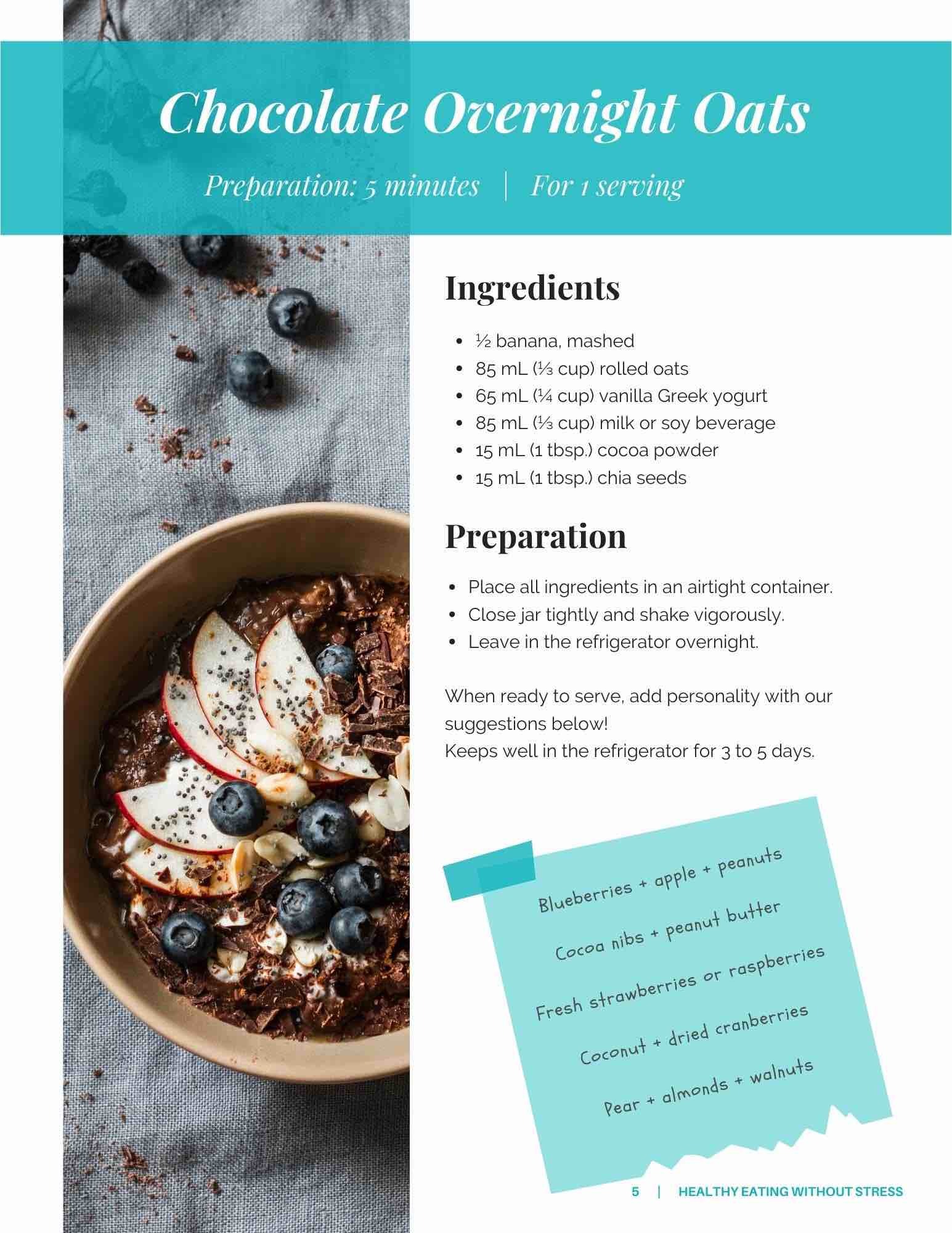
- Overnight oats or homemade chia pudding.
Pro tip: Keep non-perishable snacks in your bag or desk drawer at all times, such as nuts, cereal bars, or roasted chickpeas.
2. Keep Meals Simple Without Sacrificing Balance

A nourishing meal doesn’t need to be complicated to fuel your body. What matters most is combining a variety of foods to meet your needs for protein, carbohydrates, fibre, vitamins, and minerals.
To simplify meal planning, aim to include these three components:
- Protein: eggs, tofu, fish, legumes, poultry, cheese, or Greek yogurt.
- Fibre-rich carbohydrates: brown rice, quinoa, whole grain bread, oats, or potatoes.
- Vegetables or fruit: fresh, frozen, or canned, depending on what you have on hand.
5 Quick Meal Ideas to Try
- Fridge-cleanout salad
- Grab-and-go mason jar omelette
- Express veggie rice
- Grilled chicken Caesar wrap
- Chicken shawarma bowl
Frozen or pre-cut vegetables, canned beans or fish, and pre-cooked grains are great shortcuts to save time without compromising on variety!
3. Cook Once, Enjoy Multiple Times
When fatigue sets in, cooking every single night can quickly feel like a chore. The solution: cook extra portions when you have a bit more time or energy!
Focus on One-Pot Meals
One-pot recipes cook all in a single pan, minimizing dishes while combining multiple food groups. For example, try:
- A chili made with kidney beans or lentils.
- A hearty chickpea and vegetable soup.
- A tofu curry with veggies and rice.
- Pasta with lentils, tomatoes, and spinach.
Stock Your Freezer with Backup Meals
Double up on freezer-friendly recipes and divide them into individual portions. You’ll have ready-to-reheat meals on hand for evenings when your energy is at its lowest. Soups, chilis, pasta sauces, and stews are great options.
4. Get Natural Sunlight and Top Up Your Vitamin D

In the fall, daylight hours shrink and we often spend less time outdoors. However, natural light helps synchronize our internal biological clock, which plays a key role in our sleep-wake cycle. Try stepping outside for a few minutes in the morning or during your lunch break. A short walk, enjoying your coffee outdoors, or walking during your commute are all easy ways to get more natural light into your day.
Vitamin D also deserves special attention. In Canada, autumn and winter sunlight isn’t always strong enough for our skin to produce sufficient amounts. To get more through your diet, focus on foods like salmon, eggs, milk, and fortified plant-based beverages. Check out Health Canada’s Vitamin D recommendations to learn more about the recommended intake for your age group.
Discover all our tips and advice on Vitamin D this fall!
5. Move More, Even When Cold Weather Sets In

When motivation and temperatures drop, the idea of exercising can feel daunting. Yet, regular physical activity can boost your mood and reduce long-term fatigue.
No need to push yourself through an intense workout! Pair movement with an existing daily habit and prioritize indoor or home-based activities, such as:
- A short workout video when you wake up;
- A 10-to-15-minute walk during your lunch break;
- A few quick stretches between tasks;
- A yoga session at the end of the workday;
- Or simply raking leaves or shovelling snow in your yard.
6. Improve Your Sleep Through Dietary Habits
Getting enough sleep helps support focus, mood, and overall energy levels. Try to keep consistent bedtimes and wake-up times, and build in a relaxing wind-down routine before sleep, such as reading a few pages of a book or taking a warm shower.
In addition to adopting a regular bedtime routine, certain dietary adjustments can promote more restful sleep. Here are a few strategies to try:
- Limit caffeine in the afternoon: Coffee, green or black tea, energy drinks, and chocolate can interfere with falling asleep, depending on your sensitivity. Try reducing your intake several hours before bed.
- Avoid going to bed overly full or hungry: If possible, eat dinner about 2 to 3 hours before bedtime to support comfortable digestion. If you’re hungry later in the evening, a light snack can help.
- Focus on a varied diet: Eggs, soy, legumes, nuts, and seeds provide nutrients involved in sleep regulation, such as tryptophan, magnesium, and zinc.
Reclaim Your Energy with Strategies Tailored to You
You don’t need to overhaul all your habits at once to boost your energy! A smart snack, a meal prepared ahead of time, or a few minutes of movement can already make a big difference. The key is finding practical strategies that simplify your life and that you can maintain long-term.
Need a helping hand finding what works best for you? Book an appointment with a registered dietitian today to get personalized guidance and make nutrition your everyday ally!