
Vitamin D gets talked about a lot, especially in the fall and winter. With shorter days, cold weather, and less sun exposure, many people wonder if it's time to start taking a supplement.
But first and foremost, it's essential to ask the right questions: what does it do? Where do we find it? Who is at risk of a deficiency? And above all, is supplementation necessary, and under what circumstances? Here is what you need to know to make informed choices.
The Role of Vitamin D: For Healthy Bones and Muscles
Vitamin D plays several roles in the body. Its most well-established function is promoting calcium absorption, an essential mineral for bone and dental health. It also contributes to the normal functioning of muscles and the immune system.
What Are Our Vitamin D Requirements?
Vitamin D requirements vary, particularly by age. For adults aged 19 to 70, the recommended intake is 600 IU (15 µg) per day, while it increases to 800 IU (20 µg) per day after age 70.
These values represent daily needs and not a supplement dose that everyone should systematically take.
Where to Find Vitamin D
There are three main ways to get vitamin D: diet, sun exposure, and supplements. Since each source has its limits, the main goal is to find a combination that suits your needs and your daily reality.
1. Focus on Foods Containing Vitamin D
Few foods naturally contain high amounts of vitamin D. Fatty fish, such as salmon, trout, and sardines, are among the best sources. Egg yolks also contain some, but in more modest amounts.
In Canada, several foods are also fortified with vitamin D. This is notably the case for cow's milk, certain plant-based beverages, and margarine. Since 2026, the amounts of vitamin D added to certain foods have increased in Canada, and the fortification of yogurt and kefir is now permitted.
You can boost your dietary vitamin D intake by:
- adding salmon or trout to a rice, quinoa, and vegetable bowl;
- cooking an omelette with vegetables for breakfast;
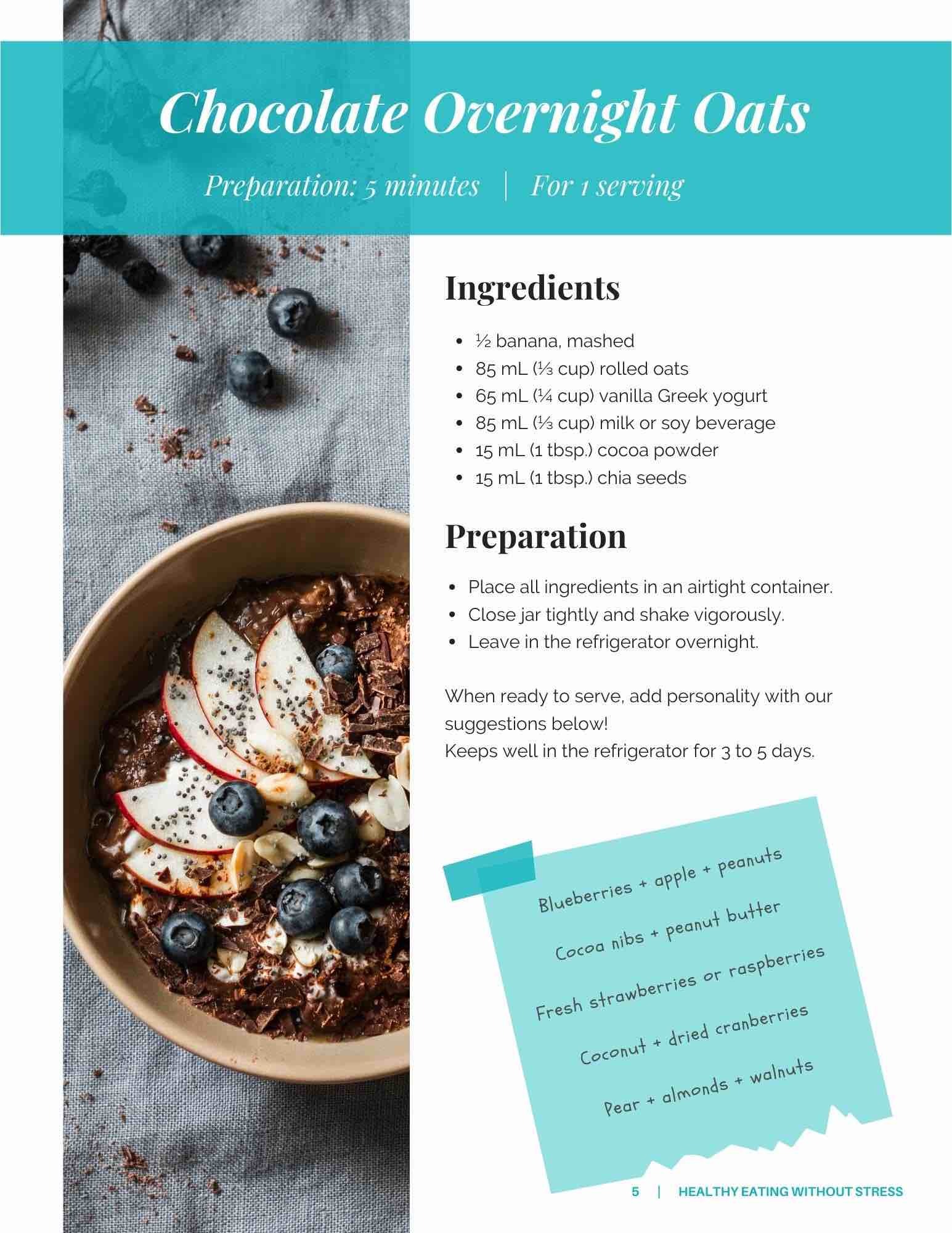
- using fortified soy beverage in oatmeal or a smoothie;
2. Take Advantage of the Sun When Possible
Our skin can manufacture vitamin D when exposed to UVB rays from the sun. However, this production depends on several factors: the season, time of day, latitude, skin pigmentation, age, amount of exposed skin, and sunscreen use.
In Canada, this source becomes particularly limited during fall and winter. Even on very sunny days, winter sun generally doesn't deliver enough UVB rays for the skin to produce much vitamin D. The sun's angle is too low, and the cold weather leads us to cover up more skin. According to Statistics Canada, the proportion of people with inadequate vitamin D levels (below 30 nmol/L) was twice as high from November to March (13%) compared to April to October (5%).
3. Complement with a Supplement When Appropriate
When diet or sun exposure doesn't provide enough vitamin D, a supplement can be a helpful way to fill the gap.
That being said, a supplement isn't automatically necessary for everyone. Some people may have different needs based on age, diet, sun exposure, or health status. Before starting a supplement or increasing your dose, a registered dietitian can help assess your dietary intake, habits, and overall needs.
When Is a Vitamin D Supplement Necessary?
According to Health Canada, individuals aged 2 to 50 who do not consume foods containing vitamin D daily can take 400 IU (10 µg) per day. For people aged 51 and older, a daily supplement of 400 IU is recommended, in addition to eating vitamin D-rich foods.
A supplement can also be particularly relevant when diet provides little vitamin D or for people at higher risk of deficiency, such as older adults, people with darker skin, or those with certain medical conditions that interfere with vitamin D absorption or metabolism, such as celiac disease.
For individuals with osteoporosis, a history of fragility fractures, or those undergoing osteoporosis treatment, needs should be evaluated on an individual basis. Canadian guidelines pay special attention to vitamin D in these circumstances.
What Are the Real Benefits of Vitamin D Supplementation?
Bone and Muscle Health
When needed, vitamin D supplementation primarily helps meet the body's requirements and maintain good bone and muscle health. Studies do not show that routine supplementation in people who already have adequate intakes prevents fractures, falls, or a wide variety of diseases.
Mood and Energy
This is a particularly interesting question, as vitamin D is often associated with energy levels, mood, and the "winter blues."
Some research does suggest a link between vitamin D and depressive symptoms. A meta-analysis published in 2024 noted a small improvement in depressive symptoms with vitamin D3 supplementation. However, these results don't mean it prevents or treats depression in everyone: data remains variable, and vitamin D is not a substitute for established depression treatments.
As for energy and fatigue, some studies show that supplementation may help improve fatigue when a vitamin D deficiency is present, but it doesn't necessarily grant extra energy when levels are already adequate. The goal is primarily to meet requirements and correct a deficiency when present, rather than aiming for high doses.
Certain populations might benefit from supplementation higher than typical intake levels. The Endocrine Society's clinical practice guideline published in 2024, based on a systematic review of 151 studies, suggests potential benefits for:
- Pregnant women: potential benefits for certain pregnancy outcomes.
- Adults aged 75 and older: a potential reduction in mortality risk was observed.
- People with high-risk prediabetes: a reduced risk of progressing to diabetes.
However, results should be interpreted with caution: doses varied widely across studies, and the optimal dose is not yet clearly established. These specific conditions should always be managed under the supervision of a healthcare professional.
Practical Guide: How to Choose and Take Vitamin D Properly
D3 or D2: Which Form to Choose?
Supplements mainly contain vitamin D3 (cholecalciferol) or vitamin D2 (ergocalciferol). Both can help raise vitamin D levels, but D3 appears generally more effective at maintaining 25(OH)D blood concentrations. For this reason, vitamin D3 is often preferred.
What Should You Take Vitamin D With?
Vitamin D is a fat-soluble vitamin, which means it is better absorbed when taken with a meal or snack containing dietary fat. There's no need for a high-fat meal: a simple meal or snack with foods like milk, yogurt, nuts, eggs, fatty fish, or oil is plenty.
What Is the Ideal Dose?
The right dose depends on each person's age, diet, and specific health situation. For the general population, Canadian recommendations remain relatively modest: 400 IU (10 µg) per day as a supplement in situations recommended by Health Canada, alongside food sources. However, some people may require a different dosage, particularly if a deficiency or specific risk factors are present.
Wondering if you need vitamin D? Get personalized advice from a dietitian
Vitamin D isn't just about grabbing a supplement as soon as the weather cools down. Needs vary from person to person depending on many factors.
Unsure if you need a supplement? A registered dietitian can help you evaluate your diet, vitamin D sources, and risk factors to determine whether supplementation makes sense for you.
Before adding vitamin D to your daily routine, take the time to review your needs. Book an appointment with a registered dietitian today for advice tailored to your personal situation.
Vitamin D FAQ
A blood test isn't necessary for everyone. When indicated, it measures 25-hydroxyvitamin D (25(OH)D), the primary marker of vitamin D status. In Canada, a level below 30 nmol/L is associated with an increased risk of poor bone health, while a level of at least 50 nmol/L is generally considered adequate for bone health in most people. However, these values must be interpreted in light of each individual's context. A healthcare professional can determine if testing is appropriate for your situation.
A severe lack of vitamin D can impact overall health, particularly bone and muscle health.
Beyond bone health, studies have observed that low vitamin D blood levels are linked to various health issues, including depression, certain infections, cardiovascular disease, and type 2 diabetes. However, it's important to distinguish between association and causation. Low vitamin D levels may simply be tied to other factors, such as reduced sun exposure, a less varied diet, or poorer overall health status.
Yes, but vitamin D toxicity remains rare and mainly occurs when taking extremely high doses over an extended period. A severe excess can raise blood calcium levels and lead to kidney complications.
For adults, the tolerable upper intake level is 4,000 IU (100 µg) per day from all sources combined. This is not a target dose, but rather a limit generally considered safe for long-term use in the general population.
Before adding a vitamin D supplement, check how much you're already consuming! A multivitamin, a calcium supplement containing vitamin D, and a standalone vitamin D supplement can all count toward your total daily intake.
It depends on the individual. In Canada, UVB exposure drops significantly during the fall and winter months, which can contribute to lower vitamin D levels. For some people, supplementing during this period makes a lot of sense. However, needs don't automatically disappear in spring or summer, especially if your diet contains little vitamin D or if you have risk factors for deficiency.
Certain groups face a higher risk of vitamin D deficiency, including:
- people with darker skin tones;
- older adults;
- people who spend little time outdoors;
- people who wear clothing covering most of their body or who regularly apply sunscreen;
- people with conditions that impair vitamin D absorption or metabolism, such as celiac disease, inflammatory bowel disease, or certain liver/kidney conditions;
- people who have undergone bariatric or specific digestive surgeries;
- people taking certain medications that alter vitamin D absorption or metabolism.
Individuals living with obesity may also present lower blood levels of vitamin D. Because vitamin D is fat-soluble, a larger portion can get stored in adipose tissue, reducing its availability in the bloodstream. Other factors, like diet and sun exposure, can also play a role. However, this doesn't mean a higher supplement dose is automatically needed: requirements should always be evaluated based on each person's unique situation.