
Are you moving more, but your diet hasn’t changed? At first, everything might seem fine... but in the long run, eating too little compared to your training level can affect not only athletic performance, but also several important bodily functions.
So how do you know if you are not eating enough for your athletic needs? Let’s explore some potential signs and practical strategies to address them.
LEA and RED-S: when needs are no longer sufficiently met
You may have heard these terms recently: LEA and RED-S are circulating more and more in the world of sports and fitness. But what do they actually mean?
Low Energy Availability (LEA)
LEA (Low Energy Availability) occurs when diet does not provide enough resources to cover both exercise-related needs and those necessary for the proper functioning of the body. In other words, after expending energy for your workout, there isn’t enough left to adequately meet the needs of the rest of the body. LEA can be temporary and does not always lead to consequences, but when it is severe or prolonged, it can affect various physiological functions.
Relative Energy Deficiency in Sport (RED-S)
It is particularly in this context that we speak of RED-S (Relative Energy Deficiency in Sport). RED-S refers to the potential consequences of insufficient energy availability and can affect multiple body systems, including bone health, hormonal and metabolic functions, the immune system, recovery, and certain psychological aspects. It can affect athletes of all genders.
Exercising more? 5 signs to watch for
The presence of one or more of these signs does not automatically mean you suffer from LEA or RED-S. These symptoms can have multiple causes and alone do not allow for a diagnosis. If several of these signs concern you or persist despite your adjustments, consult a healthcare professional to determine the cause and receive appropriate guidance.
1. Your energy and performance are decreasing
Are you lacking energy during workouts, seeing performance plateau despite regular training, or struggling to maintain the intensity you used to sustain easily?
When you increase the frequency, duration, or intensity of your workouts, your nutritional needs also increase, because your body expends more energy not only to move, but also to recover and maintain basic functions. If your diet does not match this increase in needs, your energy reserves can become insufficient to support your activities.
2. Your recovery slows down and you feel more fatigued
Do you feel like you're never fully recovered before your next session? Do muscle aches seem to last longer, or do you still feel tired when it's time to train again?
After a workout, your body isn't just "resting." It needs to repair stressed tissues and replenish its fuel stores. To do this, it needs energy (calories), but also protein, carbohydrates, fats, vitamins, and minerals. When food intake is insufficient, these processes can become harder to sustain. The issue can be particularly noticeable when workouts are close together and rest time between sessions is limited.
3. You are constantly hungry or thinking more about food
Has your appetite increased since you started training more often? Are you thinking more about food or feeling less satisfied with your usual portions?
This is completely normal! When you increase your physical activity level, your body needs more fuel to match the higher energy expenditure.
However, if you try to keep the exact same portions as before, your body may eventually let you know. It's not necessarily a lack of willpower... it's simply your body's way of signaling that its needs have changed: listen to it!
4. Injuries and stress fractures are adding up
Do you feel like you are constantly injured? Does pain return as soon as you resume training?
When you don't eat enough, your body has fewer resources to support tissue repair and recovery. Some studies show that low energy availability can be associated with several health consequences, including impaired bone health and an increased risk of bone stress injuries.
5. Your mood and concentration are starting to suffer
Are you more irritable than usual, having trouble focusing, or feeling constantly mentally exhausted?
Did you know that, even at rest, your brain requires a constant supply of energy and nutrients to function properly? It works continuously to carry out essential functions such as concentration, memory, mood regulation, and supporting overall bodily systems. Thus, when you don't eat enough to cover your needs, your brain also ends up with fewer resources.
Signs to interpret with nuance
Be careful! Keep in mind that these symptoms are non-specific and can have many different causes.
If several signs appear at the same time, persist for several weeks, intensify, or start interfering with your daily life or workouts, consult a healthcare professional. A sports dietitian-nutritionist can evaluate your intake and needs based on your activity level.
When changes are milder and you simply start noticing that your nutrition isn't keeping up with your activity level, certain adjustments can be made gradually.
5 tips to better support your athletic pace
1. Eat more often
Adding snacks between meals can be a simple way to increase your intake without having to eat larger portions at mealtimes. This can help you meet your needs more easily while avoiding feeling overly full, especially on training days or when several hours separate meals.
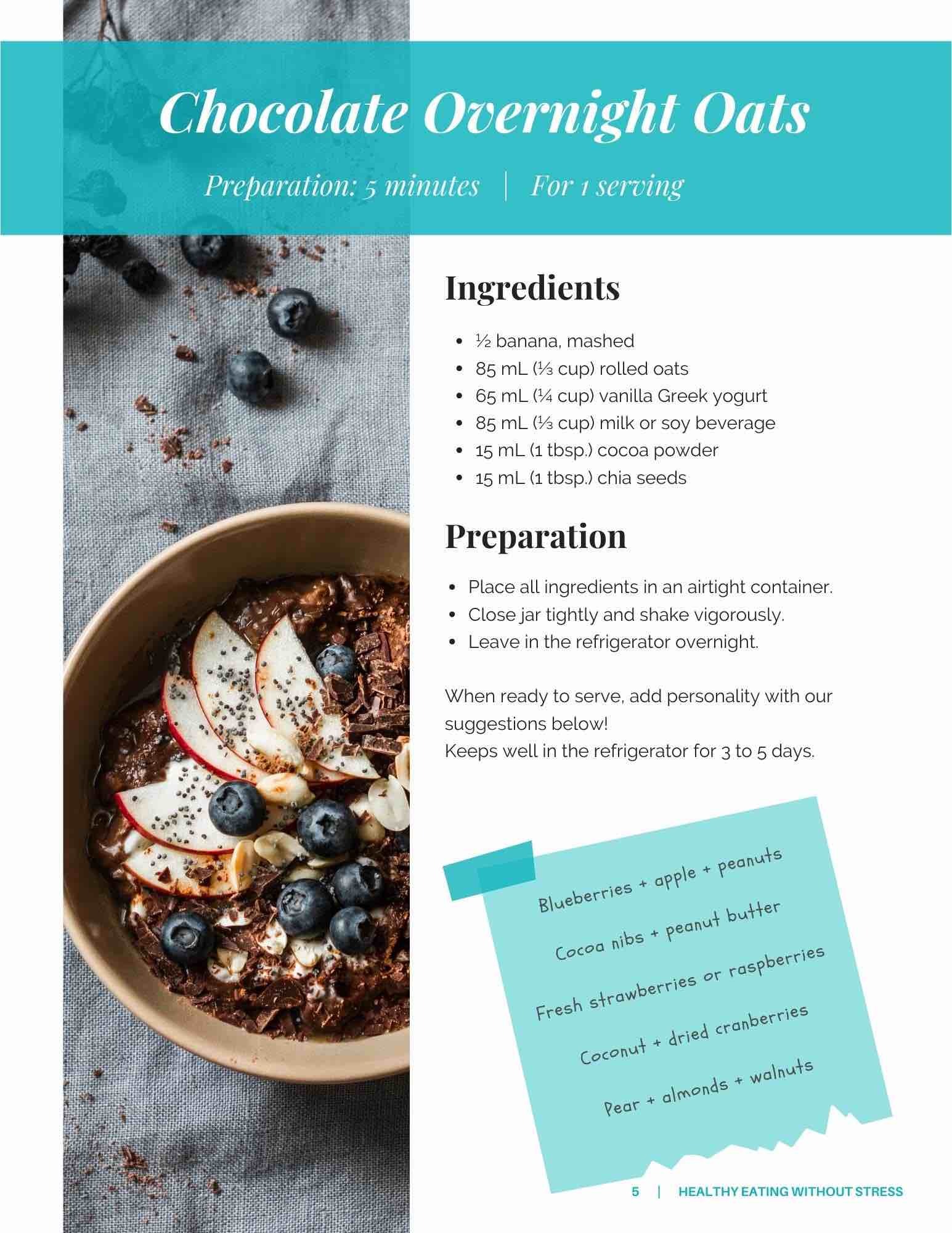
An effective snack combines a carbohydrate source to give you energy and a protein source to promote satiety and muscle repair. For example, you could have Greek yogurt with fruit, a banana with 1 or 2 eggs, or toast with cheese.
2. Increase your meal portions
An extra serving of rice, pasta, potatoes, or protein (meat, fish, tofu) can sometimes make a big difference. The goal is to adjust the amount of food on your plate according to your activity level, while staying tuned into your hunger and fullness cues.
That said, there's no need to force yourself to eat more if you aren't hungry. Instead, you can gradually increase amounts as your appetite increases.
3. Fuel your body before, during, and after exercise
- Before exercise, make sure you have enough energy for your session. Carbohydrates are generally preferred since they are the primary fuel source used by muscles during physical exertion. The timing and composition of the meal or snack can vary depending on the type of activity, its duration, and your digestive tolerance.
- During prolonged workouts (lasting more than 45 to 60 minutes), additional carbohydrates may be necessary to maintain your energy levels.
- After exercise, plan a meal or snack combining protein and carbohydrates to support muscle repair and restore your energy reserves.
4. Allow sufficient time for recovery
Alternating session types or intensities and scheduling rest days allows you to progress while respecting your recovery capacity. If your training load has become too high, a temporary reduction in volume may also be appropriate. A kinesiologist can help adjust your program and progression to find a pace suited to your situation and goals.
5. Consult qualified professionals
It can be difficult to know exactly how to adjust your nutrition and training on your own. Seeking guidance from the right professionals is essential to gain personalized insight tailored to your overall situation:
- A dietitian-nutritionist can help determine whether your diet covers your energy and nutrient needs, and adjust your meals, snacks, and their timing around your workouts.
- On the other hand, a kinesiologist can evaluate your exercise program, adjust training load and progression, and guide you toward movements appropriate for your fitness level and goals, safely.
These fields of expertise complement each other and serve as valuable allies: while one adjusts your nutritional intake, the other ensures your training program stays at a pace your body can tolerate well.
Is your training evolving? Your diet should too
Increasing physical activity is a great way to support your health… But as the frequency or intensity of your workouts increases, your diet must also evolve to meet your new demands.
Ensure your diet keeps up with the pace: book an appointment today with a dietitian-nutritionist to help adapt your intake to your lifestyle and goals.