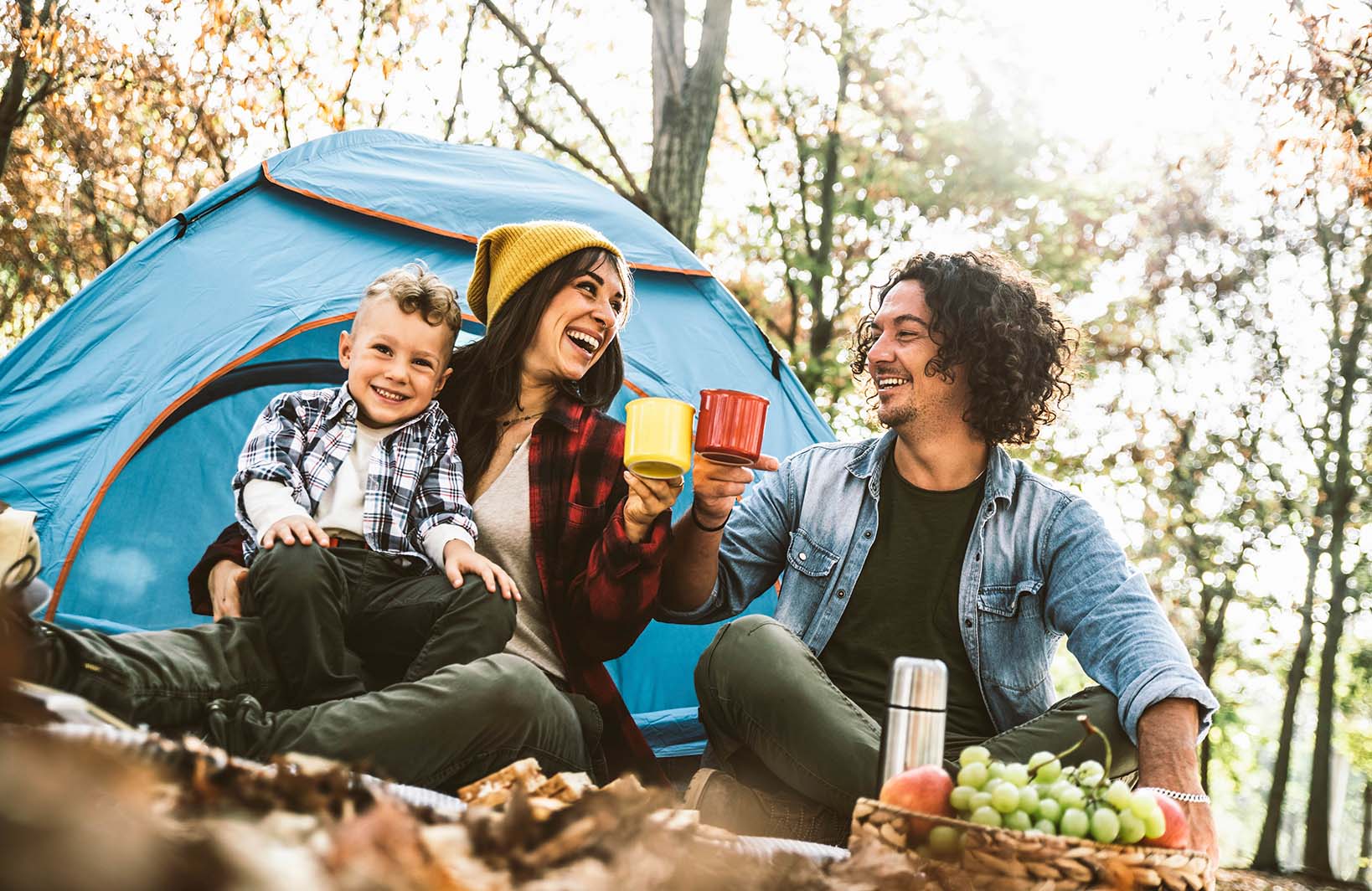
Going camping is about disconnecting, enjoying the outdoors... and often improvising with meals. However, eating well while camping can make all the difference: more energy for your activities, better digestion, and less impulsive snacking. With a little organization, it is entirely possible to eat in a balanced way, even far from your kitchen. Here are 6 concrete tips, approved by our registered dietitians, to simplify your meals and enjoy them fully.
1. Plan your meals before leaving: the key to a successful camping trip
Planning your meals helps you bring just what you need: not too much, not too little! Before you leave, take a few minutes to plan a simple menu for each day. This allows you to better organize your grocery shopping, avoid running out of options during your trip, and reduce food waste. For each meal, aim to include:
- Proteins: tofu, fish, legumes, meat, eggs
- Fiber-rich carbohydrates: whole grain bread, pasta, rice, quinoa
- Vegetables or fruits: raw veggies, salads, foil packets, fruit salad, etc.
This trio promotes satiety and sustains your energy throughout the day!
Also, consider adapting your meals to your reality on site (activity level, cooking access, energy at the end of the day) and planning a few simple "emergency" options like wraps or sandwiches. This allows you to remain flexible without compromising the balance of your meals.
2. Prepare in advance to save time on-site
When camping, you want to avoid spending hours cooking. A little preparation at home can save you a lot of time (and energy), and allow you to have nutritious options at your fingertips. You can, for example:
- Cut your vegetables (carrots, cucumbers, peppers)
- Cook your starches (pasta, quinoa, rice, potatoes)
- Prepare sauces or dips
- Marinate tofu, meat, or fish
- Make a pasta salad or wraps
- Form burger patties
- Prepare a pancake mix for breakfast
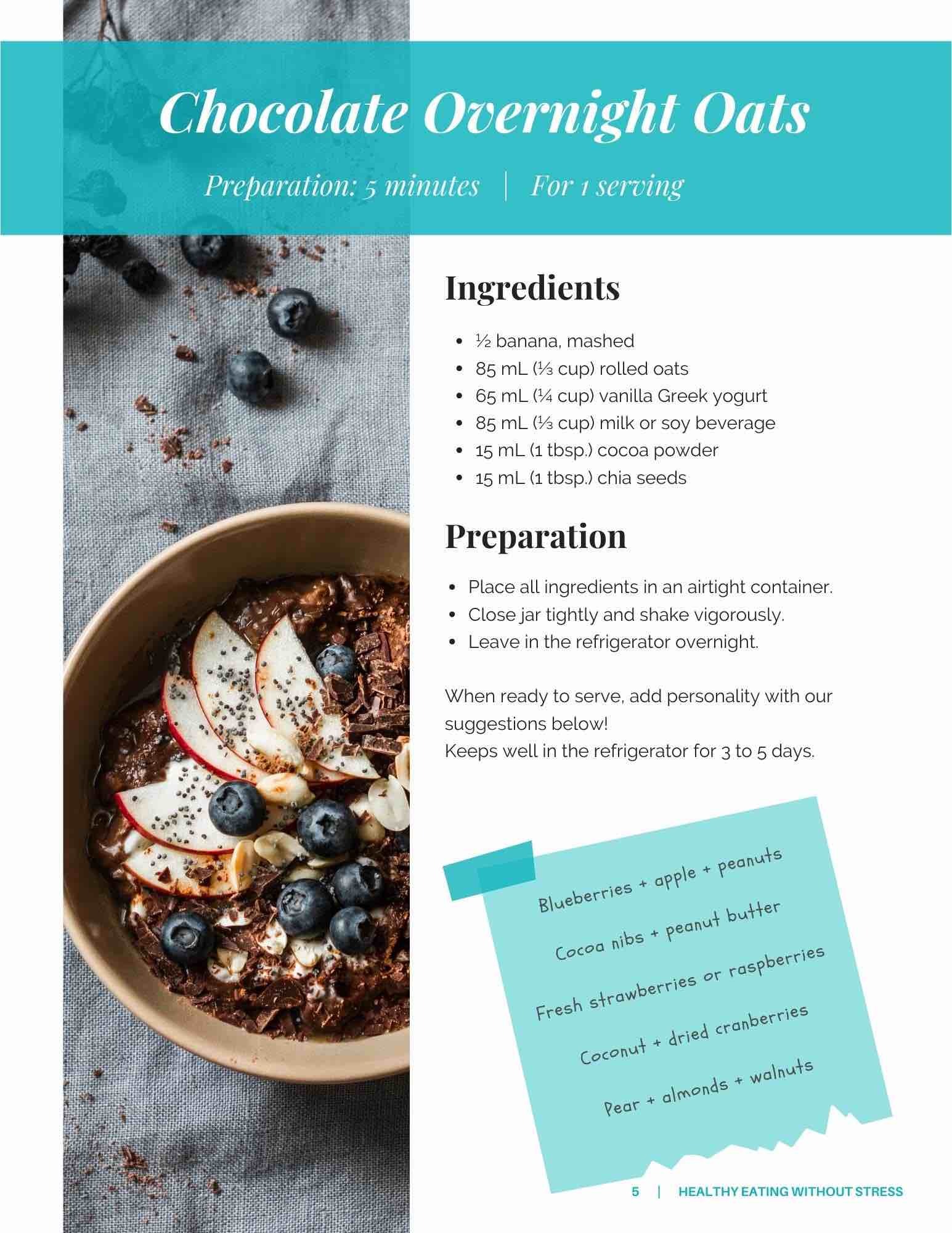
- Make an overnight oatmeal mix
3. Plan for satisfying and convenient snacks
When camping, schedules are often irregular. Snacks then become essential to stabilize hunger and energy, and avoid arriving at meals starving. Always remember to keep a snack in your bag during your outings, and opt for practical options that store and transport easily:
- Granola or protein bars: homemade or store-bought
- Energy balls
- Nut and seed mixes
- Roasted legumes (chickpeas, edamame)
- Fresh or dried fruits
4. Optimize food storage
Without a traditional fridge, storage requires a bit of strategy to ensure you have fresh food throughout your stay... and to reduce waste!
Think of foods that store well at room temperature
- Canned tuna, salmon, chicken, or legumes
- Canned vegetables: corn, beans, mixed vegetables
- Starches: breads, tortillas, rice, pasta, quinoa
- Peanut butter
- Nuts and seeds
Tips to keep your food fresh longer
- Freeze your meats before leaving
- Use frozen water bottles as ice packs
- Bring small portions (sauces, dressings, spices)
- Eat more perishable foods at the beginning of your stay
Also, remember to organize and manage your cooler effectively: place perishable foods at the bottom, limit openings, and keep your cooler in the shade. These little habits can extend the freshness of your food by several days.
5. Focus on simple, quick, and tasty meals
When camping, simplicity rhymes with efficiency. No need for complicated recipes to eat well!
- Spaghetti with homemade sauce
- Chili vegetarian or with meat
- Foil packets to cook on the fire
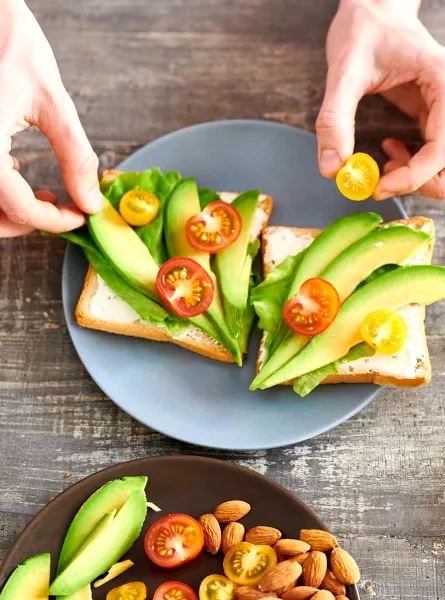
- Sandwichs and raw vegetables
- Plateaus style lunch-box (cheese, smoked salmon, nuts, vegetables, crackers)
6. Be well-equipped to cook easily while camping
Having the right equipment turns a complicated meal into something simple and pleasant! The essentials not to forget:
- A cooler to store perishable foods
- A small burner or BBQ depending on your type of camping
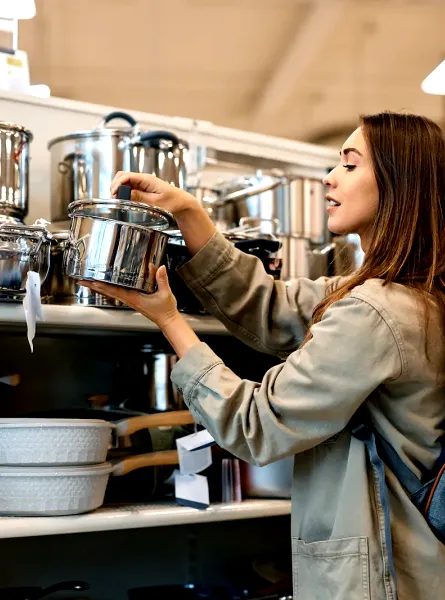
- Pots and a frying pan
- Basic utensils (knife, spatula, spoon)
- Reusable plates, bowls, and cups
7. Think about hydration
In camping, especially in summer, you sweat more with the heat and activities. It is therefore essential to prioritize hydration:
- Bring hydrating and refreshing options: water, sparkling water, homemade flavored drinks
- Provide enough drinking water (always more than less!)
- Keep your drinks in an easily accessible cooler to encourage you to drink regularly
Incorporate alcohol without compromising balance
Alcohol can increase dehydration and decrease energy levels, which can impact your active days outdoors. Consider:
- Alternating each alcoholic drink with a glass of water
- Avoiding drinking on an empty stomach (include a snack or a meal)
- Preferring simple formats (beer, wine) or more balanced options
Ready to simplify your diet, even on vacation?
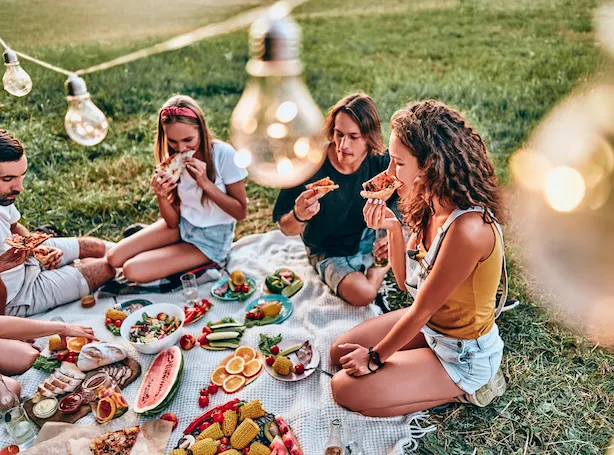
Eating well while camping is not about perfection, but about finding simple benchmarks that adapt to your reality. Between planning, managing food, unforeseen events, and busy days, it can sometimes become confusing.
The guidance of a registered dietitian can make all the difference by helping you:
- Create a realistic meal plan for your stay, according to your type of camping, your activities, and the available equipment
- Find simple, balanced, and easy-to-prepare meal and snack ideas, even with little equipment
- Adapt your diet to your needs (energy, satiety, health goals, dietary preferences, or specific constraints)
- Develop sustainable strategies for eating with more confidence, without falling into restriction or guilt
Whether it's to better prepare for your next vacation or to simplify your daily diet, book an appointment now with one of our registered dietitians and discover how a simple and personalized approach can help you achieve your goals, one step at a time.