We often hear about creatine, especially in the sports world. But it’s not just a supplement for athletes! Creatine may also play an important role in overall health, energy, and brain function.
To help you understand it better, our registered dietitians break down the key things you need to know about this supplement.
1. What exactly is creatine?
Creatine is a small molecule your body naturally makes from amino acids (the building blocks of protein). It works a bit like a rechargeable battery for your muscles and your brain.
When you do something demanding, like lifting weights, sprinting, or even concentrating for a long time, creatine helps your body quickly restore its energy so you can sustain the effort longer.
You’ll find creatine in foods like red meat and fish, but even eating these regularly only provides a limited amount (about 1 g per day). Your body also produces creatine on its own, mainly in the liver and kidneys, which is usually enough to maintain its stores without supplementation.
2. What are the benefits of creatine?
For years, creatine was best known for boosting athletic performance. But recent research shows it may offer many more health benefits. Here are a few:
2.1. Helping maintain strong muscles as you age
As we get older, we naturally lose muscle and strength, a process called sarcopenia.
Good news: creatine may help slow down age-related muscle loss, especially when combined with physical activity like strength training or brisk walking.
It may also help support bone strength, which can reduce the risk of falls and fractures.
2.2. Giving your brain a boost
Your brain needs a lot of energy to function well. Just like your muscles, it can benefit from a little extra support.
Creatine may improve concentration, memory, and mental clarity—especially during times of fatigue, stress, or lack of sleep.
2.3. Supporting metabolic health and certain conditions
Researchers are also exploring creatine’s potential role in health conditions like type 2 diabetes, certain neurological disorders (e.g., Parkinson’s disease) and even depression.
We’re still in the early stages of understanding this, but the findings are encouraging: creatine seems to help cells use energy more efficiently and protect themselves from oxidative stress. Think of it as a shield against cellular “rust.”
3. Should everyone take creatine?
Not necessarily, but many people may benefit, including:
- Athletes, to improve recovery and support performance.
- Adults aged 50 and over, to help preserve muscle mass.
- Vegetarians and vegans, who naturally consume very little creatine.
- Students and professionals, to support focus and mental energy.
These groups may have lower creatine stores for various reasons. In such cases, a small supplement can be helpful.
Before starting, it’s always best to talk with a healthcare professional to determine whether creatine makes sense for you based on your goals and lifestyle. You can book an appointment with one of our sports dietitians for personalized and safe advice.
4. What dose should you take and how do you use it?
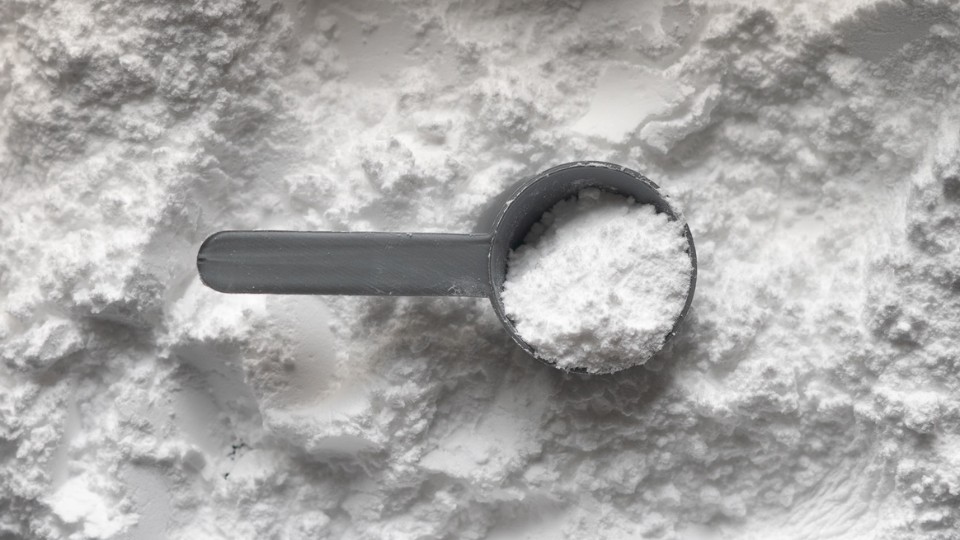
A small daily dose of 3 to 5 grams of creatine is more than enough to see benefits. Contrary to long-standing claims in the sports world, a “loading phase” isn’t necessary unless you want very fast results.
Here are a few tips for using creatine effectively:
- Mix it with water, milk, or add it to a smoothie.
- For better absorption, take creatine monohydrate with a meal that contains carbohydrates.
- Make sure you drink enough water throughout the day.
5. Is creatine safe?
You may be wondering whether creatine supplements are safe. Good news: research shows creatine is safe for healthy individuals, and it’s one of the most thoroughly studied supplements in the world.
Daily use, when taken as recommended, does not harm kidney or liver function in healthy people, even long term.
If you have a medical condition, take medication, or simply want to make sure creatine is right for you, consult a sports dietitian for personalized and safe guidance.
6. What are the possible side effects of creatine?
Most people tolerate creatine very well. When side effects do occur, they’re usually mild and easy to avoid:
- Mild digestive discomfort (bloating, cramps, stomach heaviness), often due to taking too much at once or taking it without food.
- Slight weight gain at first, caused by increased water in the muscles—normal and temporary.
- Headaches or discomfort, which happen rarely and are usually linked to not drinking enough water.
Taking a safe dose with food and staying well hydrated prevents the vast majority of side effects.
In summary: a small supplement with big benefits
Creatine goes far beyond sports performance: it’s an ally for overall vitality. It helps maintain muscle mass, supports focus and mental clarity, and promotes better day-to-day energy use.
Backed by years of research, creatine stands out as a safe and effective supplement to help you feel stronger, more alert, and healthier day after day.
Want to know if creatine could help you?
Book an appointment with a registered dietitian at TeamNutrition to find out whether creatine can help you reach your goals safely and confidently.